
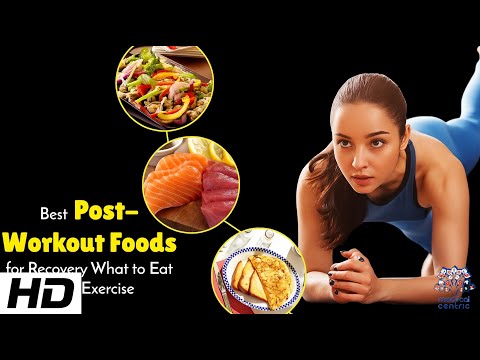
After intense exercise, your body enters a critical recovery phase. The right nutrition during this window can significantly impact how well your muscles repair, how quickly you regain energy, and how effectively your body adapts to the training stress. Post-workout nutrition is not just about eating anything it’s about choosing specific foods that replenish glycogen stores, repair damaged muscle tissue, and reduce inflammation.
One of the primary goals after working out is to refuel with carbohydrates and proteins in the right ratios. Carbohydrates help restore the glycogen that was burned during exercise, while proteins provide essential amino acids that support muscle repair and growth. The timing of this meal also plays a role ideally, it should be consumed within 30 to 60 minutes post-exercise when your body is most receptive to nutrient uptake.
Whole foods such as lean meats, eggs, Greek yogurt, sweet potatoes, quinoa, bananas, and leafy greens provide an optimal balance of nutrients. Hydration is also a key component of recovery, especially after sweat loss during intense sessions. Electrolyte-rich fluids or foods like coconut water, oranges, and spinach help restore what was lost and support cellular function.
Including anti-inflammatory foods such as berries, turmeric, or fatty fish like salmon can also accelerate recovery by reducing muscle soreness and supporting immune function. The inclusion of healthy fats like those found in avocados, nuts, or olive oil can further assist in nutrient absorption and overall recovery.
Understanding what to eat after working out isn’t just about filling up it’s about making strategic food choices that align with your fitness goals. Whether you’re aiming for muscle growth, fat loss, improved endurance, or simply better recovery, the right post-workout meal can make a significant difference in your results over time.
Proper post-workout nutrition is where performance and recovery meet. Making informed choices now leads to better energy levels, stronger workouts tomorrow, and overall improved health in the long term.


Eat a beaver … save a tree