
✨ UNLOCK YOUR BRAIN’S FULL POTENTIAL! My free 2-minute quiz reveals your unique “Brain Operating System” and gives you a personalized guide to master your focus, handle stress, and perform at your best. Take the Quiz →
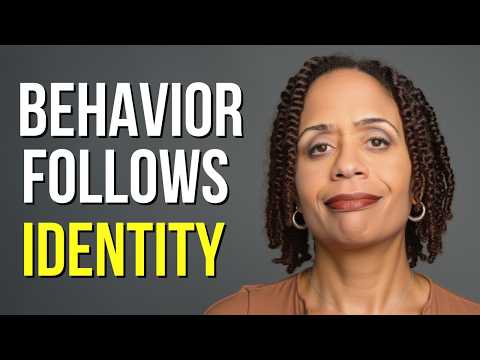
Why do some people stick to good habits while others fall off track? This video breaks down the brain-based differences between successful and struggling habit-builders—and how you can apply those insights to create lasting behavior change. Learn how identity, planning, and environment shape your habits and make consistency easier.
🧠 Supporting Research
1. Identity-Based Habits and Brain Activation
Studies show that linking behaviors to self-identity increases motivation and activates regions of the brain involved in goal pursuit and self-regulation:
Oyserman, D., Fryberg, S. A., & Yoder, N. (2007). Identity-based motivation and health. Journal of Personality and Social Psychology, 93(6), 1011–1027.
2. Habit Formation and Recovery After Missed Days
Even when people miss a day or two, habits still form—what matters most is consistency over time:
Lally, P., van Jaarsveld, C. H. M., Potts, H. W. W., & Wardle, J. (2010). How are habits formed: Modelling habit formation in the real world. European Journal of Social Psychology, 40(6), 998–1009.
3. Implementation Intentions and Behavior Change
Recent research continues to show that creating clear “if-then” plans significantly increases the likelihood of follow-through on habits. This study highlights how detailed planning supports automaticity and long-term behavior change.
Carraro, N., Gaudreau, P., & Mageau, G. A. (2020). The role of implementation intentions in promoting the development of exercise habits: A longitudinal study. Journal of Behavioral Medicine, 43(1), 139–150.
4. Self-Concept and Habit Consistency
A 2021 study found that integrating habits into one’s identity strengthens habit consistency and long-term maintenance—especially for health-related behaviors.
Chen, P., & Lanza, S. T. (2021). Developing healthy habits through identity-based motivation: Evidence from a longitudinal study. Health Psychology, 40(4), 234–244.
Disclaimer: All of the information on this channel is for educational purposes and not intended to be specific/personal medical advice from me to you. Watching the videos or getting answers to comments/question, does not establish a doctor-patient relationship. If you have your own doctor, perhaps these videos can help prepare you for your discussion with your doctor.
Thank you so much
Now, its called real tips which works.
And iam very happy to say that she become my youtube teacher
Very effective point was : identity which change your perspective from 0 to 180 degree.
I’ve been trying these 5 positivity habits lately and it genuinely changed how I handle stress… amazing how small shifts create big results.
You turned a confusing topic into something exciting!
This was unbelievably satisfying to watch!